
Clinical Supervision
Next Session Starts Spring 2026
My next clinical supervision cohort begins in Spring 2026. This offering is designed for clinicians seeking structured, ethical, and growth-focused supervision that supports both professional competence and personal sustainability.

My Supervision Approach
Growth doesn’t happen by encouragement alone - it also requires clear, purposeful guidance that sharpens skills and increases impact. That’s the balance I bring - affirmation and challenge.
I intentionally tailor supervision to each supervisee’s learning style, building on strengths while supporting growth, clinical skill development, and professional integrity.
I often use Socratic dialogue to foster critical thinking and promote values and bias awareness in support of ethical, accountable, and competent clinical practice.
My style is best suited for clinicians who value structure, accountability, and thoughtful clinical growth. Those seeking a more informal or less structured supervision style may prefer an alternative supervisory approach.

Supervision Core Focuses
In accordance with Texas Social Work Board rules and statutes, supervision focuses on three core areas:
Developing advanced clinical skills for assessment, diagnosis, and treatment of mental health and substance-related disorders.
Strengthening administrative skills to meet individual and organizational expectations while upholding ethical standards.
Building sustainable self-care strategies to manage stress and support high-quality clinical work.
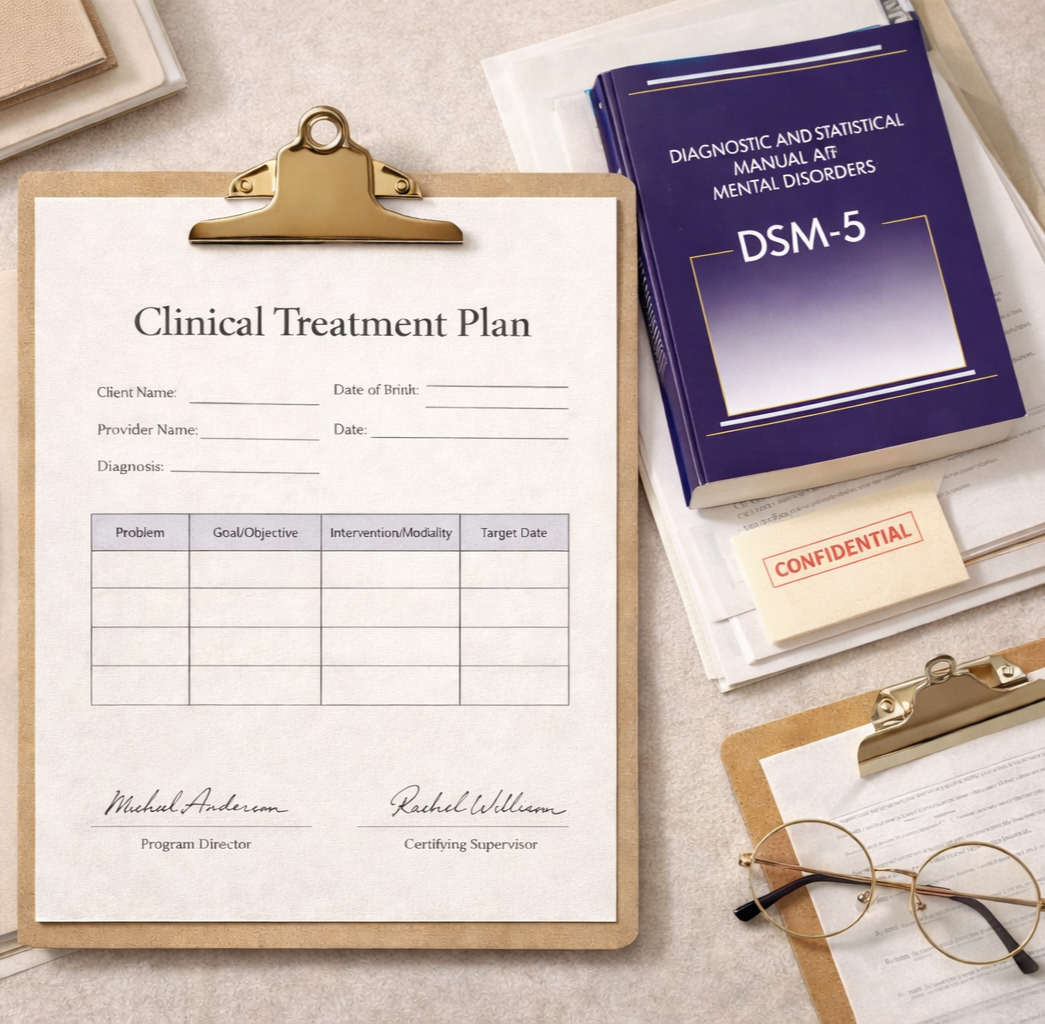
Experience & Foundation
I bring over a decade of experience providing mental health services across a variety of settings. My work centers on helping clinicians think critically, practice ethically, and grow into confident, responsible professionals.
-
Crisis Intervention
Suicide Prevention
Suicide Prevention Lifeline
Mental Health Crisis Helpline
-
Safety planning
Risk assessment
Clinical judgment
Ethical documentation
High-risk decision making
-
DSM-5–informed assessment
Treatment planning
Therapeutic modalities
Standardized questionnaires
-
Private & group psychotherapy
Psychiatric hospitals
Mental health crisis clinics & crisis helplines
School systems
Travel social work
Teletherapy, In-person & hybrid care
-
Consultation & Clinical Supervision
Professional Development & Training
Continuing Education
-
NASW Code of Ethics
Ethical Clinical Practice
Regulatory & Professional Standards